Heat exchangers are defined as devices that transfer heat from one liquid or gaseous substance to another in order to change the temperature of the substance for another process. Heat exchangers are constructed with thermally conducted tubes or plates. Read More…
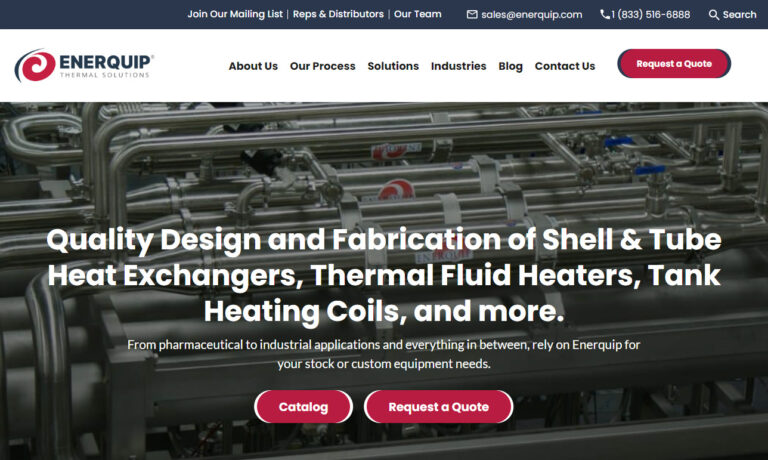
Enerquip is your trusted shell and tube heat exchanger partner. Our in-house, thermal design engineers and ASME welders and fabricators can design and build custom engineered solutions for your company’s specific needs. Our experience and expertise have earned us a preferred supplier status with leading companies in the pharmaceutical, food and beverage, cannabis, personal care, chemical,...
At Harris Thermal Transfer Products, we specialize in delivering cutting-edge heat exchangers designed to meet the diverse needs of our clients. We excel in producing a wide range of thermal management solutions, from standard models to highly customized systems. Our commitment to innovation and quality ensures that our heat exchangers provide superior performance, reliability, and efficiency.

Since 1947, Perry Products Corporation has been a trusted designer, manufacturer and long term heat exchanger partner for our customers. In addition to custom thermal engineered shell and tube heat exchangers, Perry maintains a line of partially fabricated but still customizable ASME heat exchangers in stock and ready to ship quick. Direct and honest communication and on time delivery is one of...

At Ward Vessel and Exchanger, we take pride in designing and manufacturing heat exchangers and pressure vessels that reflect the depth of our engineering experience and our dedication to long-term performance. We approach every project with a commitment to understanding our customers’ thermal and mechanical requirements, allowing us to create custom heat exchanger solutions that maximize...

Doucette Industries has been a leader in suction line heat exchangers, shell and tube heat exchangers, marine heat exchangers, plate heat exchangers and tube-in-tube water cooled condensers since 1975. We offer full customization services, and experienced staff, rapid response to your inquiries and a wide selection of cutting edge products. Please visit our website for more information.
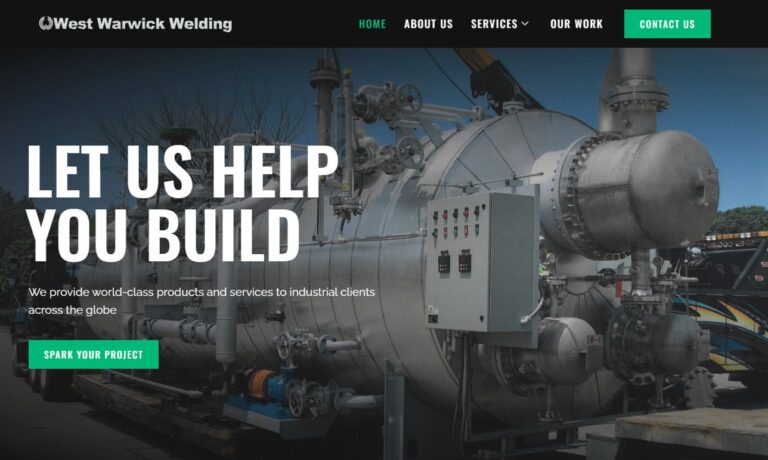
At West Warwick Welding, we bring together decades of fabrication experience and a commitment to precision workmanship to support customers who rely on durable, high-performance heat exchanger solutions. We operate as a fully integrated welding and fabrication shop, and we take pride in managing every stage of production with the same level of care, from the initial design consultation to the...

More Heat Exchanger Manufacturers
Heat exchangers are sophisticated thermal transfer devices engineered to transfer heat efficiently between two or more fluids—gasses or liquids—without allowing them to mix. Foundational to countless heating and cooling processes, heat exchangers are constructed with thermally conductive plates or tubes, enabling the effective movement of thermal energy. These highly versatile systems facilitate heat transfer in a variety of configurations, such as water-to-water, air-to-air, water-to-air, steam-to-liquid, or even specialized applications like lubrication oil cooling. This adaptability ensures efficient thermal management across a vast spectrum of industrial, commercial, and residential applications.
Heat exchangers play a pivotal role in numerous industrial processes, significantly influencing the design, operation, and maintenance of systems such as HVAC (heating, ventilation, and air conditioning), automotive engines, power generation, refrigeration, chemical processing, food and beverage manufacturing, and offshore oil drilling. They are also indispensable for waste heat recovery and energy management in industrial facilities, optimizing resource utilization and supporting sustainability initiatives.
Applications
Heat exchangers are indispensable components in a multitude of temperature control and energy transfer applications. Their design allows for the transfer of thermal energy between different media—such as air, water, oil, or steam—without direct contact. This capability is essential for:
- Process heating and cooling in manufacturing plants, chemical refineries, and food processing lines, where precise temperature regulation is critical for product quality and safety.
- Overheating prevention in power generation and heavy machinery, where heat exchangers dissipate excess thermal energy to prevent system failure or degradation.
- Waste heat recovery systems that capture and repurpose surplus heat from industrial operations, reducing energy consumption and operational costs.
- Air conditioning and refrigeration systems that rely on heat exchangers for both cooling and dehumidification of indoor environments.
- Thermal management in electronics, such as data centers and semiconductor manufacturing, where heat exchangers maintain optimal operating temperatures for sensitive equipment.
- District heating and cooling networks that distribute thermal energy across multiple buildings or facilities using centralized heat exchangers.
- Home and commercial heating applications, including radiators, underfloor heating, swimming pool heating, and hot water systems.
- Marine and offshore applications for cooling ship engines, desalination plants, and on-rig process systems.
Overheating Prevention
Power generation facilities, such as thermal power plants, rely extensively on high-performance heat exchangers to recycle waste heat, regulate system temperatures, and prevent overheating in turbines, generators, and auxiliary equipment. This ensures reliable operation, prolongs equipment lifespan, and optimizes energy efficiency.
Waste Heat Recovery
One of the most economically and environmentally beneficial uses of heat exchangers is in waste heat recovery systems. Here, excess heat from one process is captured and transferred via heat exchangers to another process that requires heating. This reuse of thermal energy significantly reduces dependency on additional fuel sources or electricity, resulting in substantial cost savings, lower greenhouse gas emissions, and improved overall process efficiency.
Industries leveraging waste heat recovery include steel manufacturing, pulp and paper production, textile processing, municipal water treatment, food and beverage production, pharmaceuticals, petrochemicals, and more. By integrating heat exchangers into their process flows, these sectors can achieve enhanced energy sustainability and regulatory compliance.
Air Cooling
In air conditioning systems, refrigeration units, and industrial cooling towers, heat exchangers are used to cool air by transferring heat from indoor air or process streams to the outside environment or into water loops. This is vital for climate control, industrial process cooling, and preservation of perishable goods.
General Heat Transference
Heat exchangers are central to a wide variety of energy, chemical, and mechanical systems. For example, in automotive engineering, car radiators use heat exchangers to transfer waste engine heat to the ambient air, maintaining safe engine temperatures and improving fuel efficiency. Similarly, in electronics, plate-fin heat exchangers regulate temperatures to prevent overheating in sensitive devices.
Other key sectors utilizing heat exchangers include:
- Automotive manufacturing—engine cooling, transmission oil cooling, intercoolers, and exhaust gas heat recovery.
- Chemical and petrochemical processing—reactor temperature control, condensation, evaporation, and solvent recovery.
- Energy production—condensers in power plants, geothermal heat pumps, biomass energy conversion, and solar thermal collectors.
- Semiconductor and electronics manufacturing—wafer cooling, cleanroom climate control, and high-performance computing centers.
- Marine and offshore engineering—cooling desalination units, process heat management on oil platforms, and seawater heat recovery.
- Aerospace and defense—thermal control of avionics and propulsion systems.
Beyond heavy industry, heat exchangers are vital in commercial settings (hotels, spas, hospitals) and residential solutions, such as domestic hot water systems, heat recovery ventilators, and in swimming pool heating applications.
History
The concept of heat exchange is as old as human civilization. Early humans used rocks heated in fires to warm their dwellings. Ancient Romans improved upon this with the hypocaust system, channeling hot air beneath floors for central heating—an early example of indirect heat exchange.
Korean innovation led to the Ondol system, which utilized flues beneath floors to channel smoke and warm homes efficiently. With the Industrial Revolution, the need for precise temperature control spurred the development of more advanced heat exchanger designs. In 1777, Jean Simon Nonnemain created a water heating system for chicken egg incubation, marking a key milestone. Marquis de Chabannes, in 1817, designed greenhouse heat exchangers to support grape cultivation.
The 19th century saw rapid progress. The Price brothers’ patent in 1829 for hot water and steam heating systems inspired further innovation worldwide. Franz San Galli’s “hot box” radiator in 1855 brought hot water heating to Russian nobility. Meanwhile, American inventors such as Nason, Perkins, Briggs, and Bundy advanced steam and cast iron radiator technologies, setting global standards.
By the 20th century, heat exchangers became integral to industry and daily life. Technological advancements and new materials expanded their efficiency, safety, and durability. Today, the integration of renewable energy—such as solar thermal collectors—continues to enhance heat exchanger technology, supporting global efforts for sustainable energy solutions.
How Heat Exchangers Work
Despite variations in design, all heat exchangers operate based on the same core thermodynamic principles. They use a thermally conductive barrier—either metal plates or tube walls—to separate and transfer heat between two different fluids or gasses. The fluids never directly mix, preventing contamination while enabling efficient energy transfer.
Typically, these barriers are made from high-conductivity materials such as stainless steel, copper, or titanium, chosen for their durability and resistance to corrosion and extreme temperatures. On one side of the barrier, a hotter medium imparts its thermal energy through conduction, raising the temperature of the cooler medium on the opposite side. This process continues until thermal equilibrium is achieved, with the speed and effectiveness of heat transfer depending on the surface area, thickness, and conductivity of the barrier.
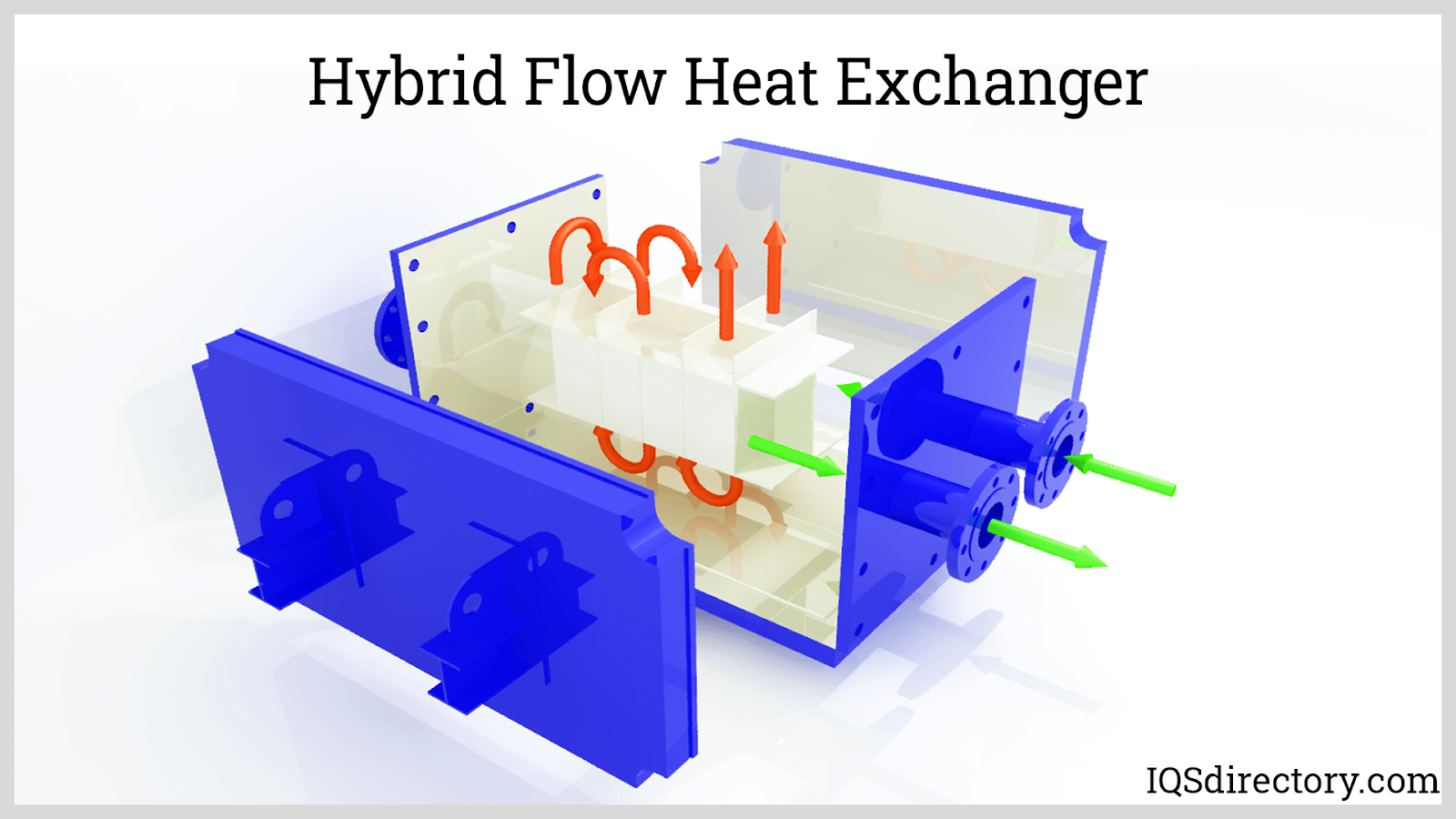
Advanced designs maximize heat exchange efficiency by increasing the contact surface area (using fins, corrugations, or extended surfaces) and optimizing fluid flow patterns (counterflow, crossflow, or parallel flow). These enhancements ensure rapid heat transfer with minimal energy loss.
Types of Heat Exchangers
Heat exchangers come in a variety of designs, each tailored to specific thermal management requirements. The two main categories are plate heat exchangers and tubular (or tube-based) heat exchangers. Both are classified as indirect heat exchangers, meaning they use a solid barrier to separate fluids or gasses while enabling efficient heat transfer.
Plate Heat Exchangers
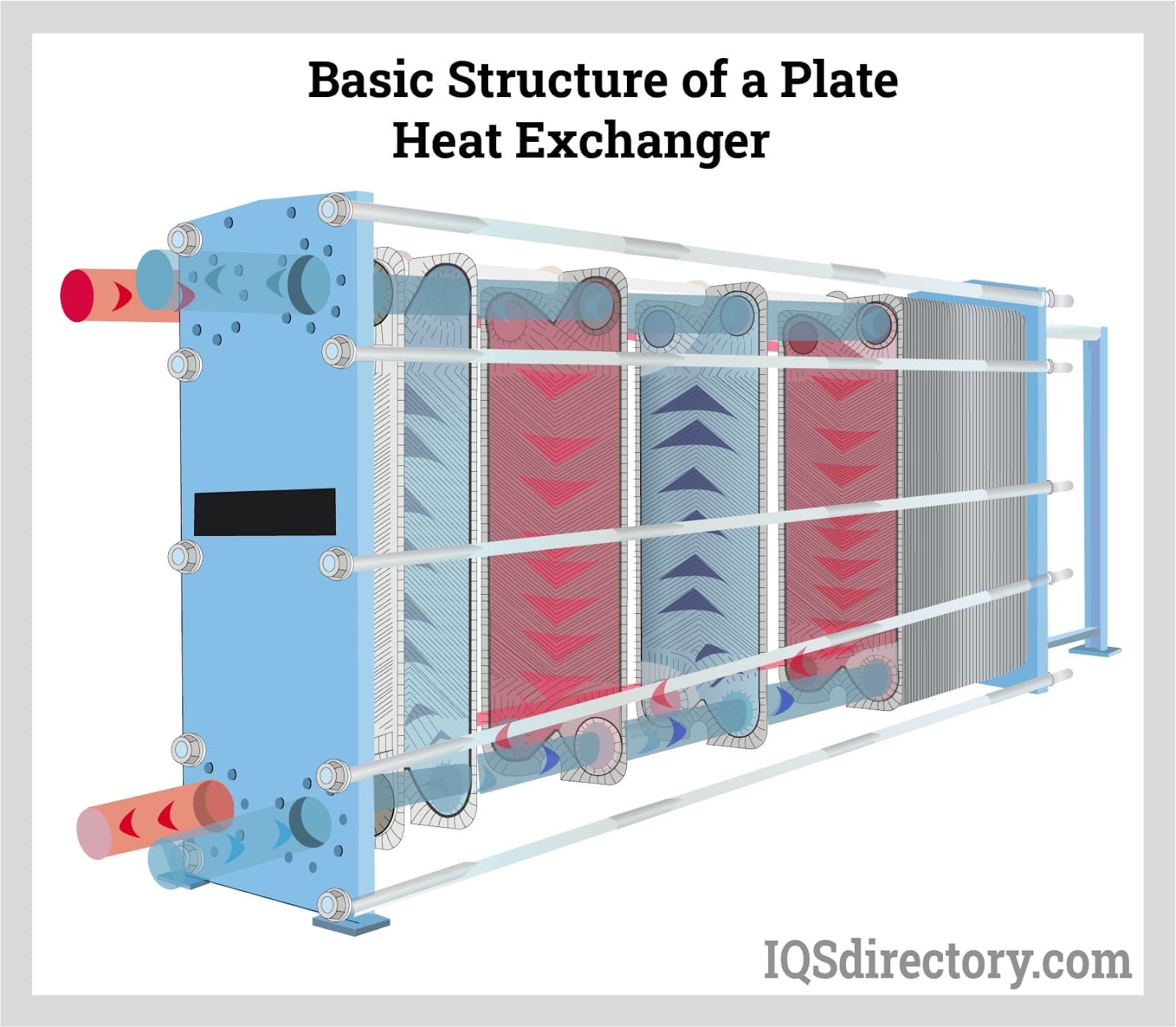
Plate heat exchangers consist of a series of thin, thermally conductive plates that form parallel flow channels for fluids. The large surface area-to-volume ratio of plates enables efficient heat exchange, making these devices ideal for applications requiring compact, space-saving solutions and precise temperature control.
- Flat plate heat exchangers—These use a stack of flat, corrugated metal plates to transfer heat between fluids. Their simple yet effective design is widely used in HVAC, food processing, pharmaceutical, and energy recovery systems.
- Plate and frame heat exchangers—Comprised of a series of gasketed or welded plates held in a frame, these exchangers are easy to disassemble for maintenance or cleaning, making them popular in sanitary applications such as dairy, brewing, and beverage processing.
- Plate-fin heat exchangers—Featuring alternating layers of plates and fins, these units support multiple flow paths (often up to 12 different fluids) and enable both crossflow and parallel flow. Their versatility and efficiency make them popular in cryogenic gas processing, air separation, and aerospace systems.
- Spiral plate heat exchangers—These consist of two metal plates wound into a spiral and sealed at the ends. The spiral design is highly effective for viscous fluids, slurries, or fluids with particulates, commonly used in pulp and paper, wastewater treatment, and chemical processing.
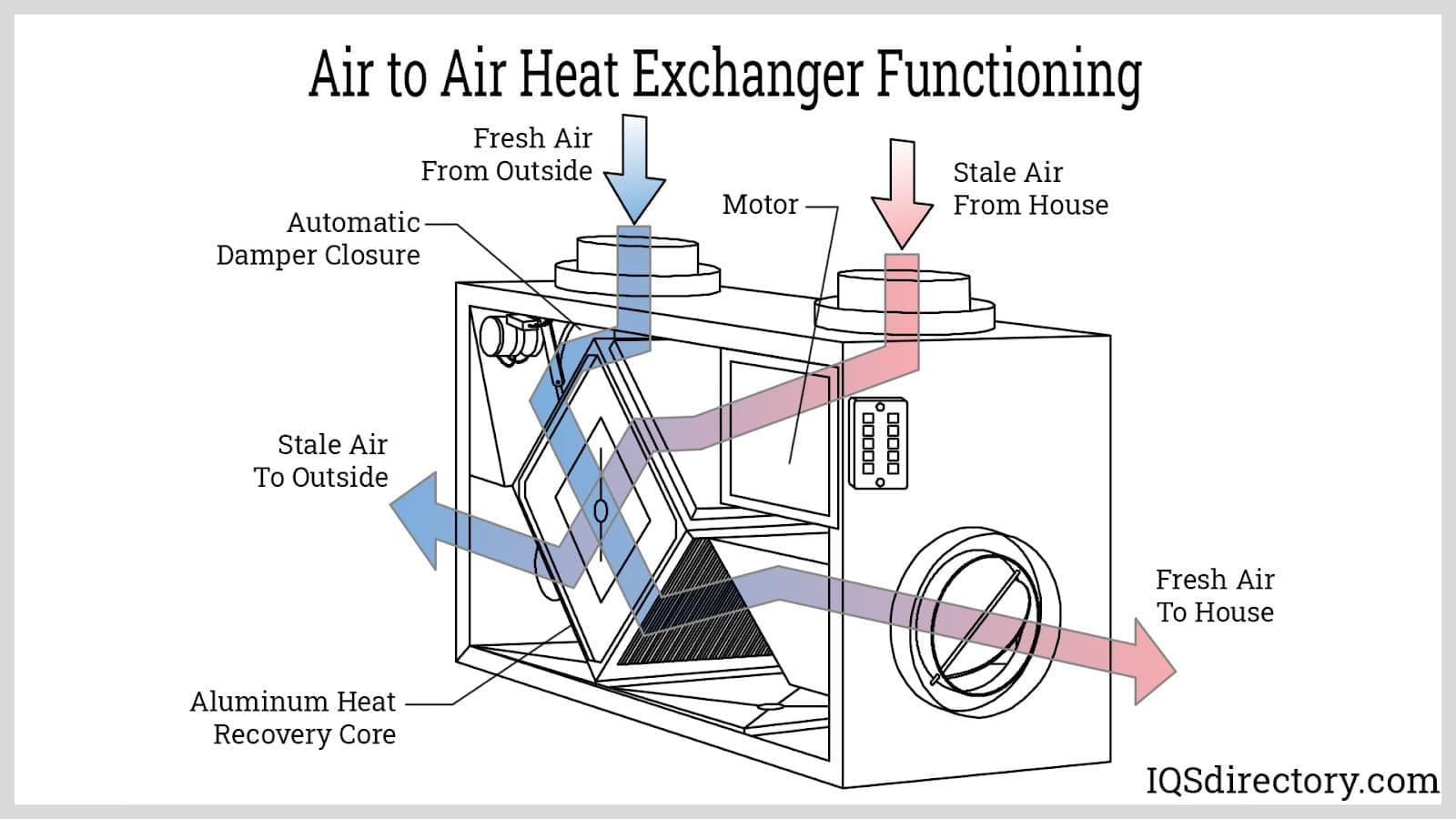
- Air-to-air heat exchangers—Used in ventilation and energy recovery systems, these ensure a continuous supply of fresh outdoor air while exhausting stale indoor air, improving indoor air quality and energy efficiency.
- Water-to-air heat exchangers—These transfer heat from a water stream to an airstream, often found in hydronic heating, fan coil units, and air handling systems for commercial buildings.
Tubular Heat Exchangers
Tubular heat exchangers, or shell-and-tube heat exchangers, use tubes to transfer heat between two fluids. Their robust design accommodates high pressures and temperatures, making them well-suited for heavy industry, power generation, oil and gas, and marine applications.
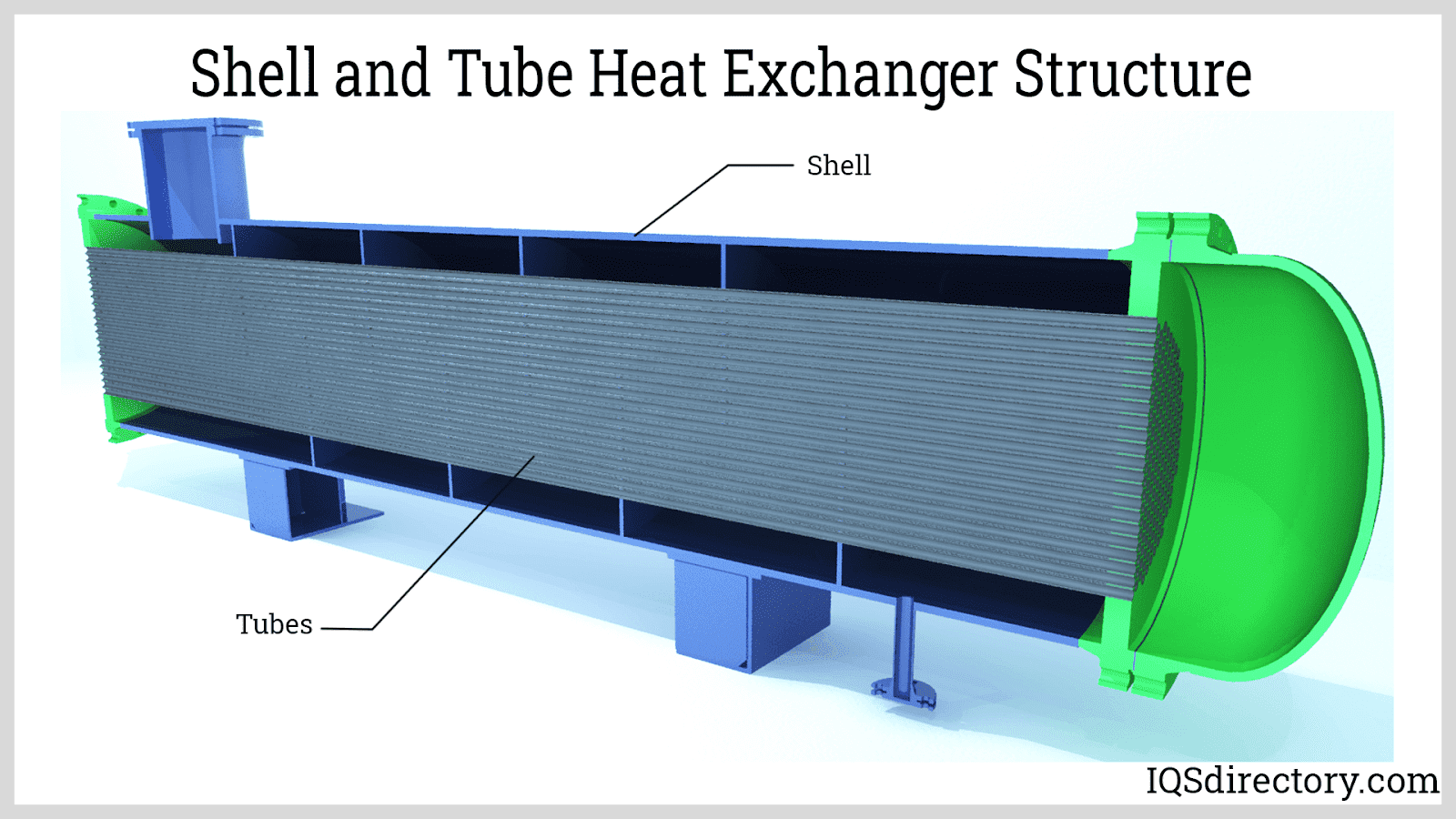
- Shell and tube heat exchangers—The most common industrial design, these feature a bundle of tubes inside a cylindrical shell. One fluid flows inside the tubes, while the other circulates outside the tubes within the shell, facilitating efficient counterflow or crossflow heat transfer. Shell and tube exchangers are highly customizable for specific process requirements.
- Finned tube heat exchangers—These use tubes with extended fins to increase the surface area, improving heat transfer rates. They are widely used in air-cooled condensers, heaters, and industrial process cooling.
- Air-cooled heat exchangers—By passing hot fluid through finned tubes and blowing ambient air across them (usually with fans), these systems cool fluids without the need for water, ideal for remote or water-scarce locations.
- Oil coolers—Specialized tubular exchangers designed to regulate the temperature of lubricating and hydraulic oils in engines, compressors, and heavy machinery.
- Marine heat exchangers—Designed for ship engines and onboard systems, these typically use seawater to cool engine jacket water, lubricating oil, or other shipboard fluids.
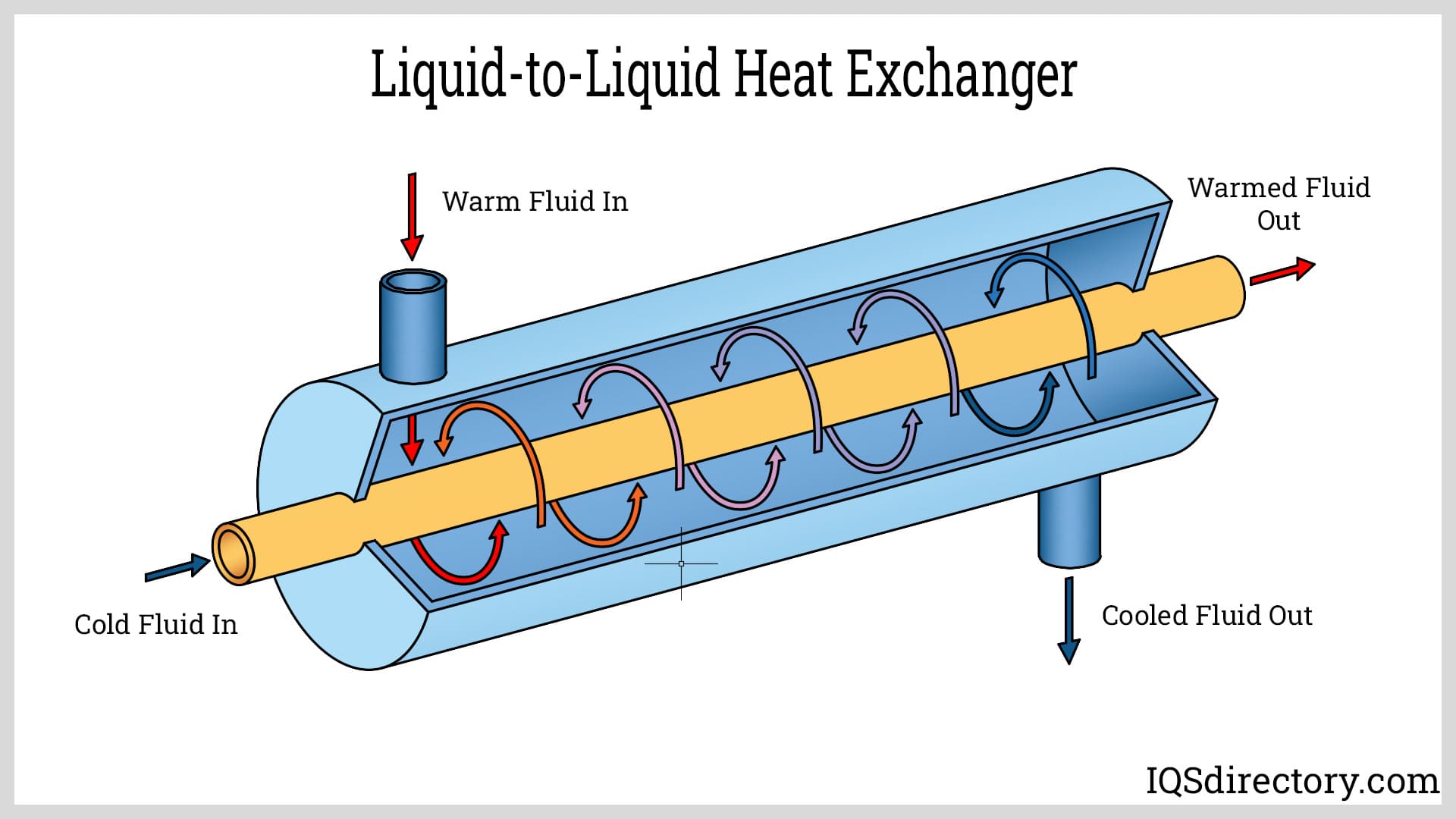
- Water-to-water heat exchangers—These transfer thermal energy between two water circuits, commonly found in district heating, geothermal systems, and industrial process loops.
- U-tube heat exchangers—Featuring tubes bent into a “U” shape, these exchangers allow for thermal expansion and are commonly used in high-pressure steam applications.
Are you unsure which heat exchanger type is best for your needs? Consider these questions:
- What is the temperature range and pressure of your process fluids?
- Are your fluids corrosive, viscous, or prone to fouling?
- Do you require easy maintenance or clean-in-place (CIP) capability?
- Is space a constraint in your installation environment?
- What energy efficiency or heat recovery goals do you have?
Use our Heat Exchangers website to explore detailed product information and connect with expert manufacturers.
Benefits of Heat Exchangers
When choosing a heat transfer system, buyers often compare heat exchangers with direct-fired heaters or electric resistance heating systems. Each method has its place, but heat exchangers offer substantial advantages, particularly where efficiency, operational cost, and environmental impact are key decision factors.
- Superior energy efficiency—By transferring heat between two process streams (often recovering waste heat), heat exchangers dramatically reduce energy usage compared to systems that generate heat through fuel combustion or electricity alone.
- Reduced operating costs—Closed-loop operation lowers maintenance requirements, limits corrosion and fouling, and extends equipment lifespan. This translates to lower downtime and reduced lifecycle costs.
- Enhanced process control—Heat exchangers maintain precise temperature regulation, resulting in more consistent product quality and improved yields in manufacturing, food processing, and chemical industries.
- Environmental sustainability—By minimizing fuel use and facilitating waste heat recovery, heat exchangers lower carbon emissions and help companies meet increasingly stringent environmental regulations and sustainability targets.
- Safety and compliance—Closed-loop heat exchangers isolate hazardous fluids and prevent the risk of combustion by-products, supporting safer working environments and regulatory compliance.
- Flexible integration—Modular designs and a wide range of materials (stainless steel, copper, titanium, etc.) allow heat exchangers to be tailored for nearly any application, from compact residential systems to large-scale industrial plants.
- Cogeneration and Combined Heat & Power (CHP)—Heat exchangers enable the use of surplus heat for secondary processes, such as pre-heating water or generating steam, further improving overall system efficiency.
Curious about how heat exchangers can reduce your facility’s energy bills or increase your manufacturing throughput? Contact a specialist to discuss your specific process requirements and ROI expectations.
Design and Customization
Heat exchanger design is a complex process, driven by the unique thermal and mechanical requirements of each application. Manufacturers consider a wide range of factors to ensure optimal performance and reliability:
- Thermal load and temperature profiles—Understanding the minimum and maximum heat duty helps in sizing the heat exchanger accurately.
- Fluid properties—Viscosity, corrosiveness, particulate content, and fouling potential influence material selection and design geometry.
- Flow arrangement—Counterflow, parallel flow, and crossflow patterns are chosen based on desired temperature approach and pressure drop constraints.
- Material selection—Stainless steel, copper, titanium, aluminum, and specialized alloys offer varying degrees of heat conductivity, corrosion resistance, and cost.
- Physical constraints—Available space, weight limits, and installation conditions may dictate compact or modular designs.
- Maintenance and cleaning—Applications subject to fouling or requiring sanitary conditions often use gasketed plate exchangers or removable tube bundles for easy cleaning.
- Compliance and standards—Industry standards (ASME, TEMA, API, ISO, etc.) must be met for safety, performance, and regulatory approval.
Manufacturers often customize heat exchangers by adjusting tube diameter, plate thickness, length, pitch, corrugation pattern, and flow path geometry. For corrosive or demanding environments, materials like titanium or Hastelloy may be specified. Special features such as removable tube bundles, U-tube configurations, and integrated cleaning ports further enhance serviceability and longevity.
Looking for custom heat exchanger solutions? Ask yourself:
- What fluids are being processed, and at what flow rates?
- What are your space and installation requirements?
- Do you need a compact, modular, or skid-mounted design for easy integration?
- Is sanitary construction (for food, beverage, or pharmaceutical use) important?
Consult our heat exchanger manufacturer listings for expert guidance on tailored solutions.
Things to Consider: Maintenance and Longevity
Caring for Your Heat Exchangers
To maximize the lifespan and efficiency of your heat exchanger, regular care and preventive maintenance are essential. Corrosion is a primary concern, especially in systems exposed to high humidity, aggressive chemicals, or seawater. Choosing corrosion-resistant materials (like stainless steel, titanium, or specialized alloys) for tubing and plate walls minimizes the risk of leaching, cracking, pitting, and general corrosion.
Fouling—accumulation of solid residues, scaling, or biological growth—can degrade performance over time. Many modern heat exchangers are designed for easy cleaning, featuring removable covers, clean-in-place (CIP) systems, or gaskets. Routine inspection and cleaning can restore efficiency and prevent unplanned downtime.
When planning your maintenance program, consider:
- How often must your system be cleaned based on fluid composition?
- Are spare parts, gaskets, or replacement plates readily available?
- Is your facility equipped for on-site cleaning, or will you need external service support?
How to Choose the Right Heat Exchanger Manufacturer
Achieving optimal performance, reliability, and return on investment from your heat exchanger starts with selecting the right manufacturer. Quality, engineering expertise, and industry experience are critical. Review our trusted heat exchanger supplier profiles as a starting point.
Steps to identify the best fit for your project:
- Compile a detailed list of requirements—fluid types, flow rates, temperature and pressure ranges, space constraints, budget, timeline, compliance standards, and any unique application needs.
- Use your requirements to shortlist three to four reputable manufacturers with demonstrated experience in your industry.
- Engage each provider, sharing your project details and asking targeted questions about design customization, technical support, warranty, and after-sales service.
- Compare proposals, noting differences in technology, material selection, lead times, and total cost of ownership.
- Select the manufacturer whose solution best aligns with your needs, and initiate the procurement process.
Need help narrowing down your options? Start by asking:
- Has the manufacturer provided similar heat exchangers for your industry or process?
- What level of technical support and documentation is available?
- Are references or case studies available for review?
For more in-depth information, or to request a quote, visit our Heat Exchangers website and connect directly with leading OEMs and solution providers.
Ready to get started?
- Browse detailed product specifications and application guides
- Compare heat exchanger technologies for your use case
- Find answers to common buyer questions and technical FAQs
- Request quotes or technical consultations from trusted manufacturers
Whether you’re upgrading existing equipment, designing a new process system, or seeking energy savings through waste heat recovery, investing in the right heat exchanger will deliver long-term value, improved process efficiency, and reduced environmental impact. Explore our resources and connect with industry experts today!
What is a heat exchanger and how does it work?
A heat exchanger is a device engineered to transfer heat efficiently between two or more fluids—gasses or liquids—without allowing them to mix. It uses thermally conductive barriers such as plates or tubes, enabling heat to move from a hotter to a cooler medium. The process is based on conduction, and modern designs often include extended surfaces or fins to maximize the area for heat transfer.
What are the main applications of heat exchangers?
Heat exchangers are used in a vast range of applications, including process heating and cooling in manufacturing, waste heat recovery, air conditioning, refrigeration, automotive engine cooling, power generation, electronics thermal management, district heating, marine engines, and residential hot water systems. They are essential for efficient temperature control and energy conservation across numerous industries.
What are the main types of heat exchangers?
The two main categories of heat exchangers are plate heat exchangers and tubular (shell-and-tube) heat exchangers. Plate heat exchangers use stacked metal plates for efficient heat transfer, while tubular types use tubes inside a shell for robust operation at higher pressures and temperatures. Both have several subtypes tailored for specialized purposes and fluids.
What are the benefits of using heat exchangers?
Heat exchangers offer superior energy efficiency by recovering and reusing heat, reduced operating costs via closed-loop design, enhanced process temperature control, improved environmental sustainability by lowering emissions, safer operation, and flexible integration into various systems. They are also crucial for cogeneration and combined heat & power (CHP) applications.
How are heat exchangers maintained for long life and efficiency?
Regular maintenance, such as inspection and cleaning, is essential for maximizing a heat exchanger’s lifespan and efficiency. This includes removing fouling and scaling, monitoring for corrosion, choosing corrosion-resistant materials, and using designs that allow for easy cleaning or the use of CIP (clean-in-place) systems. Routine checks help prevent unplanned downtime and optimize performance.
How do you choose the right heat exchanger for your application?
Selecting the right heat exchanger depends on several factors: the temperature and pressure range, properties of the fluids (such as corrosiveness or viscosity), space constraints, maintenance requirements, energy efficiency goals, compliance standards, and whether the design should allow for easy cleaning or modular installation. Consultation with manufacturers helps to tailor the solution for specific needs.
What should you consider when choosing a heat exchanger manufacturer?
When choosing a heat exchanger manufacturer, consider their engineering expertise, industry experience, quality standards, technical support, ability to customize designs, and track record in supplying solutions to your sector. Reviewing references, case studies, and support documentation or consulting their supplier profiles can help ensure you select a reliable partner for your project.
 Boilers
 Chillers
 Cooling Towers
 Furnaces
 Heat Exchangers
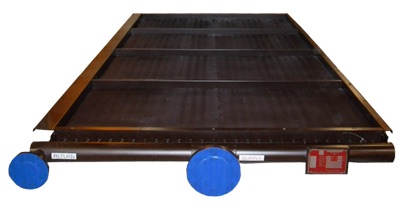 Heat Transfer Equipment
 Castings & Forgings
 Bulk Material Handling
 Electrical & Electronic Components
 Flow Instrumentation
 Hardware
 Material Handling Equipment
 Metal Cutting Services
 Metal Forming Services
 Metal Suppliers
 Motion Control Products
 Plant & Facility Equipment
 Plant & Facility Supplies
 Plastic Molding Processes
 Pumps & Valves
 Recycling Equipment
 Rubber Products & Services