Air to air heat exchangers are those heat exchangers that work with the process of heating, cooling or otherwise refreshing the air within a space. Industries such as commercial, residential, food processing and manufacturing use air to air heat exchangers or water to air heat exchangers to help control the conditions of interior air. Incoming air can be heated or cooled depending on the seasons and environment, and on the desired interior atmosphere. Read More…
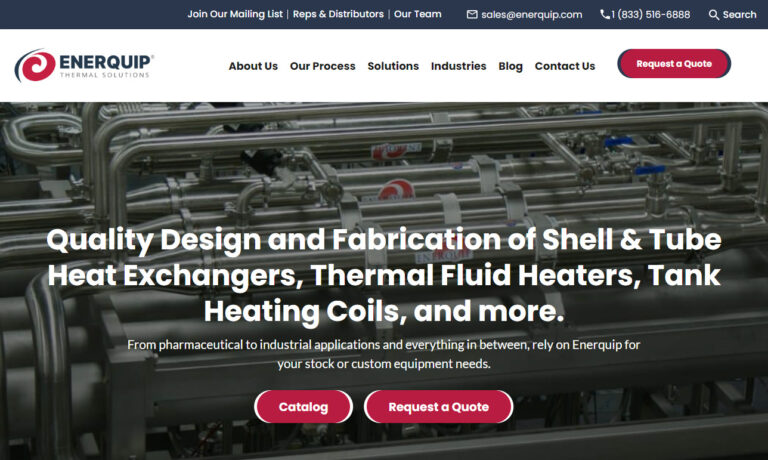
Enerquip is your trusted shell and tube heat exchanger partner. Our in-house, thermal design engineers and ASME welders and fabricators can design and build custom engineered solutions for your company’s specific needs. Our experience and expertise have earned us a preferred supplier status with leading companies in the pharmaceutical, food and beverage, cannabis, personal care, chemical,...
At Harris Thermal Transfer Products, we specialize in delivering cutting-edge heat exchangers designed to meet the diverse needs of our clients. We excel in producing a wide range of thermal management solutions, from standard models to highly customized systems. Our commitment to innovation and quality ensures that our heat exchangers provide superior performance, reliability, and efficiency.

Since 1947, Perry Products Corporation has been a trusted designer, manufacturer and long term heat exchanger partner for our customers. In addition to custom thermal engineered shell and tube heat exchangers, Perry maintains a line of partially fabricated but still customizable ASME heat exchangers in stock and ready to ship quick. Direct and honest communication and on time delivery is one of...

At Ward Vessel and Exchanger, we take pride in designing and manufacturing heat exchangers and pressure vessels that reflect the depth of our engineering experience and our dedication to long-term performance. We approach every project with a commitment to understanding our customers’ thermal and mechanical requirements, allowing us to create custom heat exchanger solutions that maximize...

Doucette Industries has been a leader in suction line heat exchangers, shell and tube heat exchangers, marine heat exchangers, plate heat exchangers and tube-in-tube water cooled condensers since 1975. We offer full customization services, and experienced staff, rapid response to your inquiries and a wide selection of cutting edge products. Please visit our website for more information.
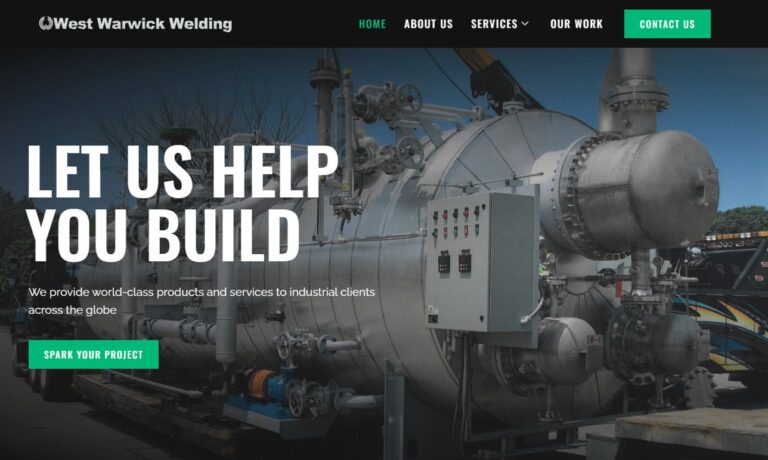
At West Warwick Welding, we bring together decades of fabrication experience and a commitment to precision workmanship to support customers who rely on durable, high-performance heat exchanger solutions. We operate as a fully integrated welding and fabrication shop, and we take pride in managing every stage of production with the same level of care, from the initial design consultation to the...



More Air to Air Heat Exchanger Manufacturers
Comprehensive Guide to Air to Air Heat Exchangers: Principles, Benefits, and Industry Applications
Air to air heat exchangers are advanced mechanical ventilation systems designed to improve indoor air quality, enhance energy efficiency, and maintain optimal environmental conditions in a variety of settings. These devices are critical for industrial, commercial, and residential buildings seeking to reduce exposure to harmful fumes, gases, and airborne contaminants that result from manufacturing, chemical processing, or daily human activity. Additionally, air to air heat exchangers play a vital role in controlling indoor humidity levels, which is essential for preventing mold, mildew, condensation, and corrosive damage to building structures and sensitive equipment.
How Does an Air to Air Heat Exchanger Work?
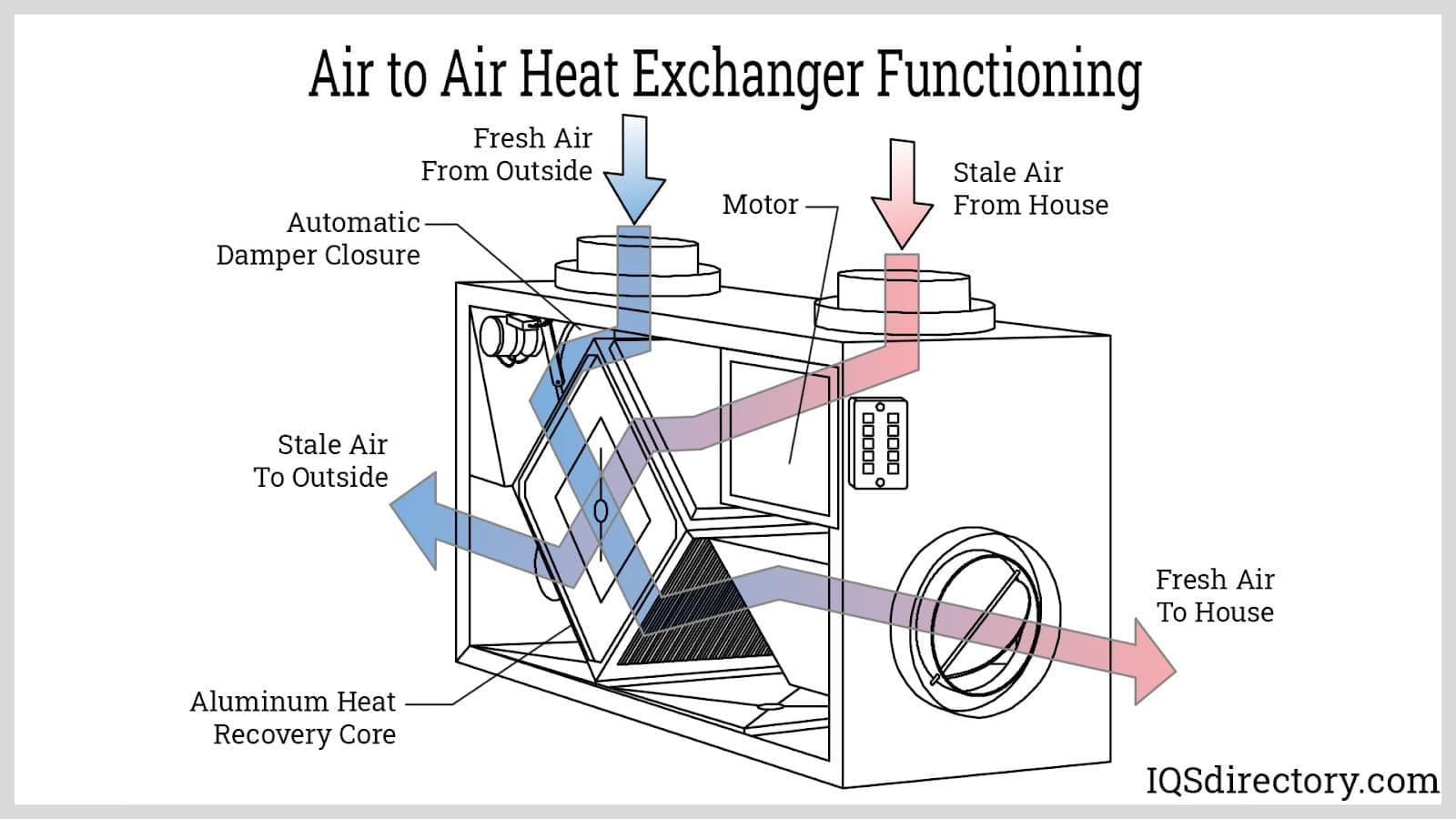
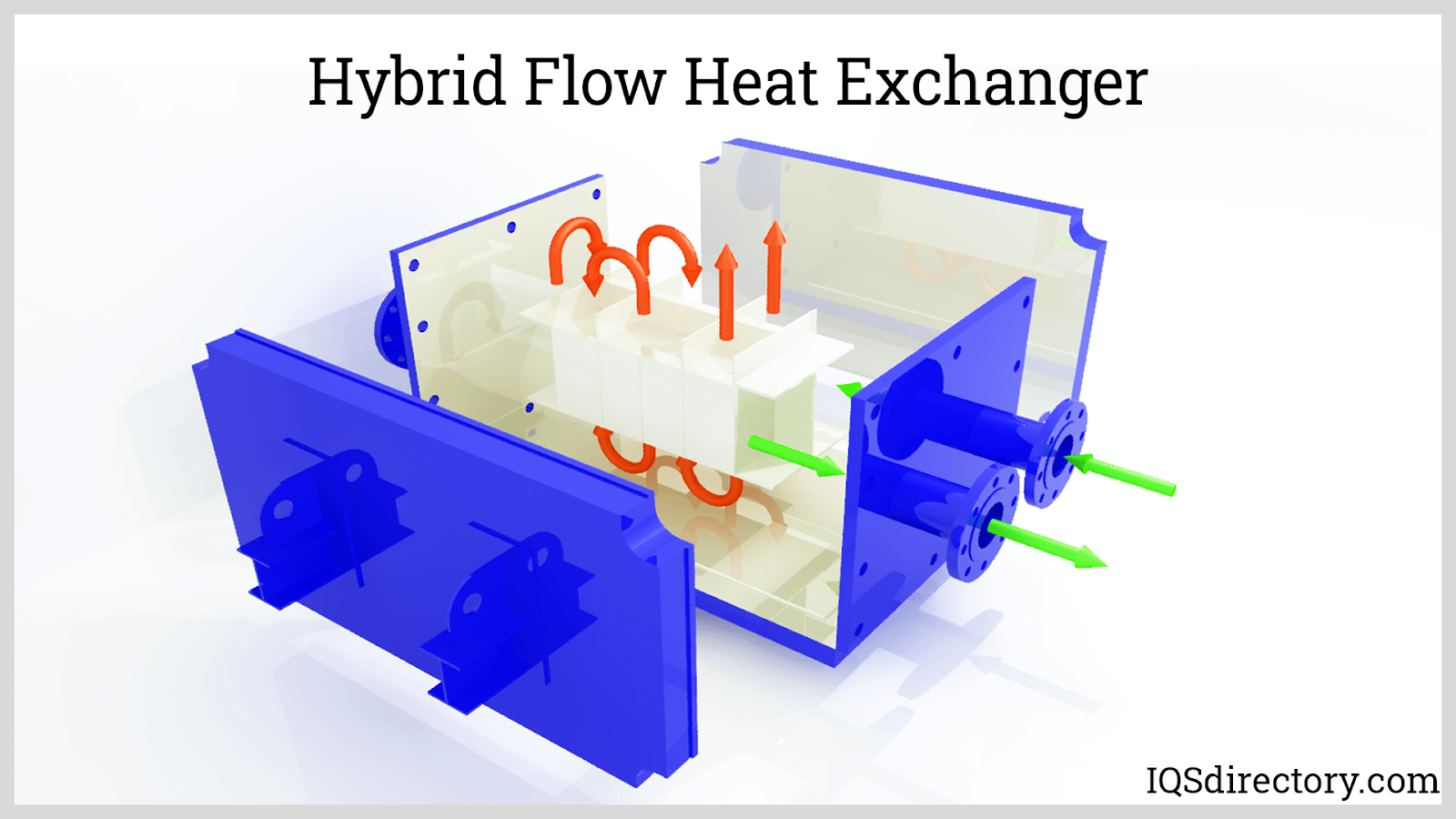
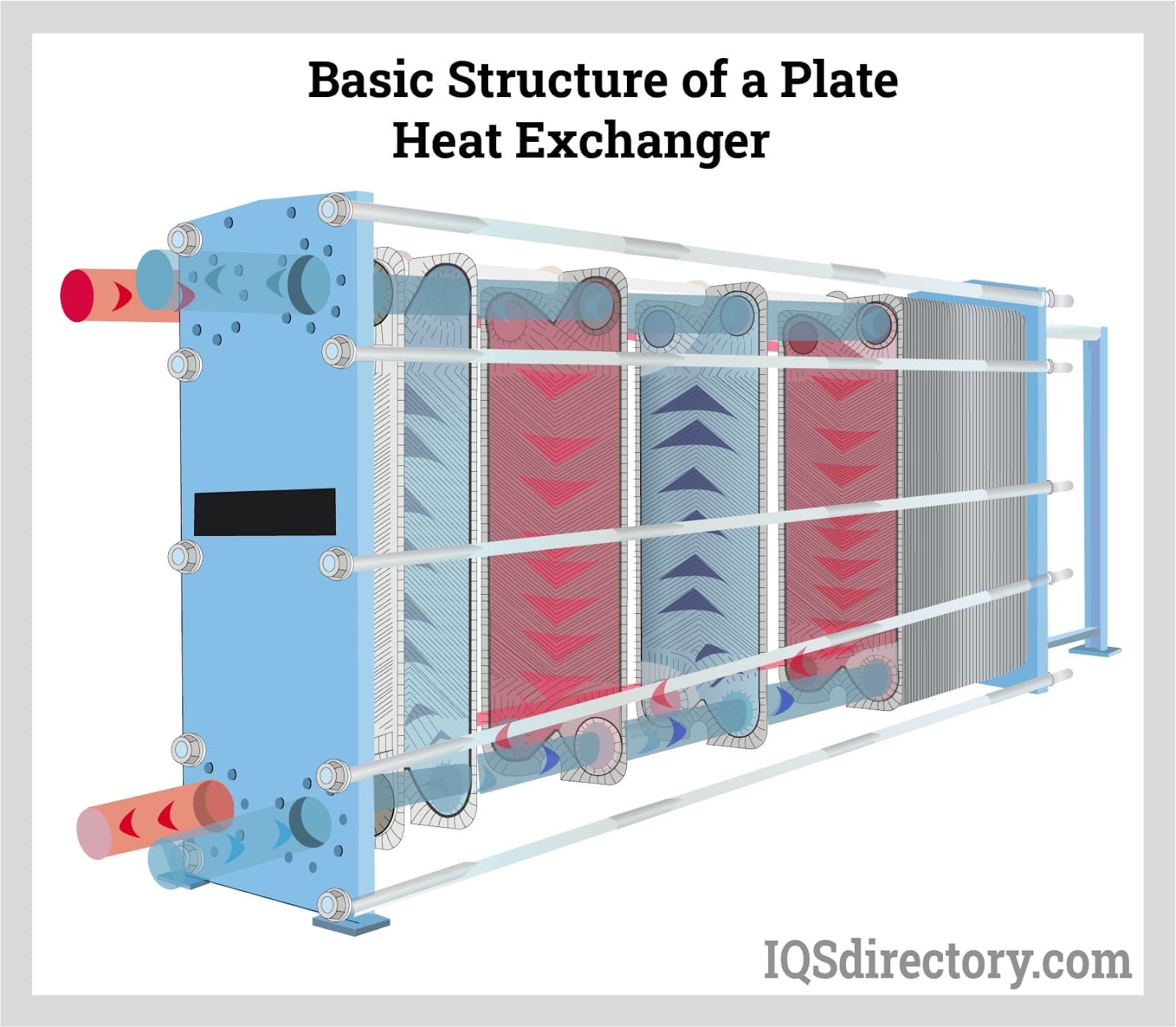
At its core, an air to air heat exchanger transfers heat between two physically separated air streams, enabling efficient energy recovery while ensuring that contaminated exhaust air and fresh incoming air never mix. The most common design is the plate heat exchanger, which consists of a series of thin metal plates or barriers arranged to maximize surface area and thermal conductivity.
Here’s how the process works in detail:
- Warm, stale, or contaminated exhaust air travels along one side of the exchanger plate or core.
- Simultaneously, cooler, fresh outdoor air is drawn across the opposite side of the plate, isolated from the outgoing stream.
- Thermal energy from the outgoing air is conducted through the plate material and transferred to the incoming air, pre-warming it before it enters the building.
- The exhaust air, having given up its heat, is expelled to the atmosphere at a lower temperature.
Through this process, air to air heat exchangers can recover up to 80% of the energy from outgoing air, making them one of the most effective solutions for waste heat recovery and sustainable building operation.
Types of Air to Air Heat Exchangers
When evaluating air to air heat exchangers for your application, it's important to consider the specific technology and design that best meets your requirements for airflow, efficiency, and air quality. Popular types include:
- Plate Heat Exchangers: Utilize flat, corrugated, or finned plates for maximum surface area and heat transfer. Ideal for both residential and industrial ventilation systems.
- Rotary (Wheel) Heat Exchangers: Feature a rotating wheel made of heat-absorbing material. These are highly efficient for large-scale HVAC systems and may also transfer some moisture (enthalpy recovery).
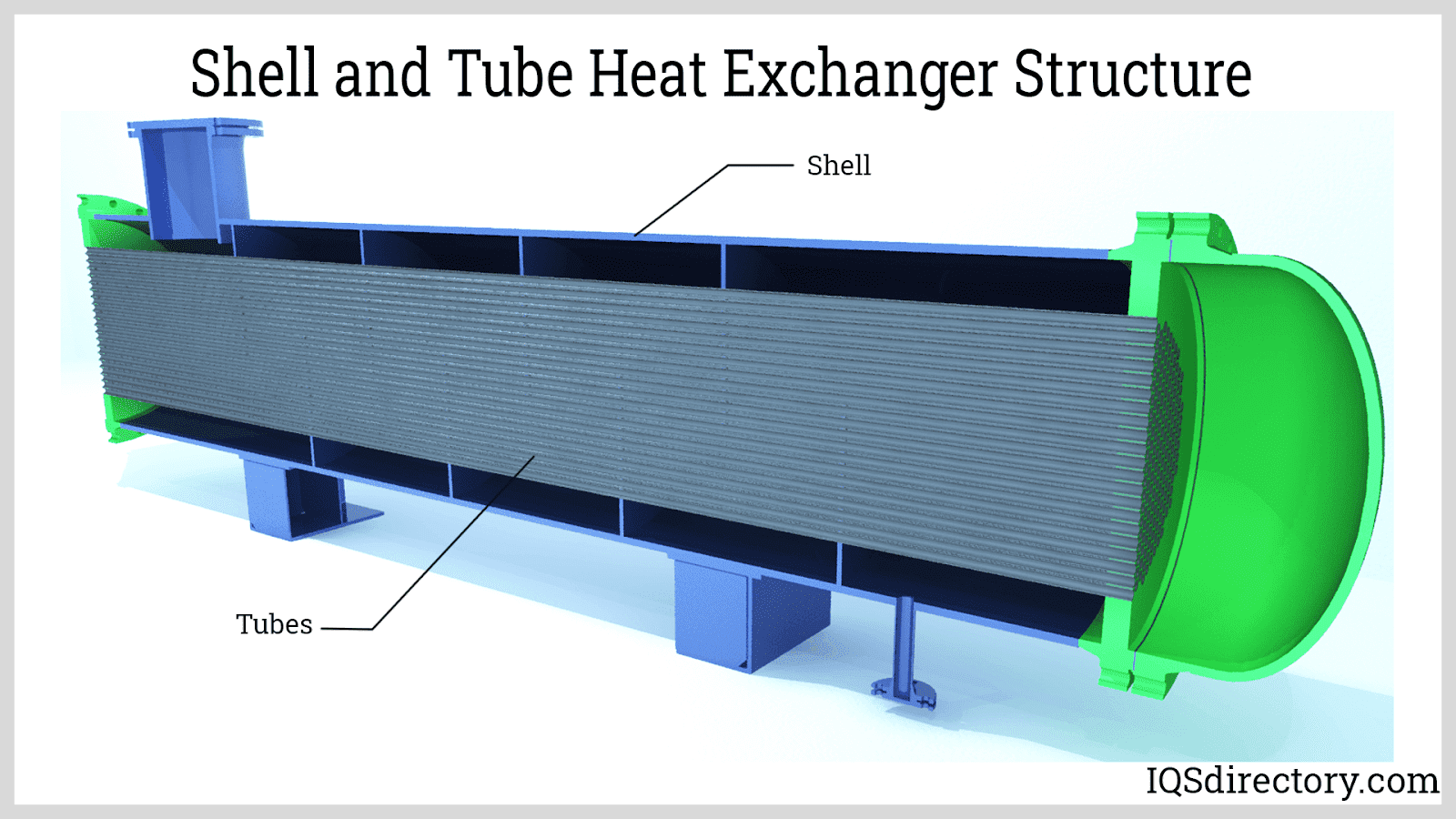
- Tubular Heat Exchangers: Use a series of tubes to separate and transfer heat between air streams. Common in industrial processes where durability and high capacity are required.
- Crossflow and Counterflow Exchangers: Refer to the direction in which air streams pass over each other, affecting efficiency and footprint.
- Heat Pipe Exchangers: Employ sealed pipes with a phase-changing fluid that absorbs and releases heat, suitable for applications requiring passive, low-maintenance solutions.
Want to know which air to air heat exchanger type is right for your facility? Contact a heat exchanger specialist or explore more about air to air heat exchanger manufacturers and their product portfolios.
Key Benefits of Air to Air Heat Exchangers
Implementing an air to air heat exchanger in your building or industrial process offers a host of performance, safety, and cost-saving advantages:
- Energy Efficiency and Cost Savings: By recycling heat from outgoing air, facilities dramatically reduce heating and cooling loads, leading to significant utility bill reductions and a fast return on investment (ROI).
- Improved Indoor Air Quality (IAQ): Fresh air is continuously introduced while stale, polluted, or humid air is expelled, minimizing the concentration of VOCs, odors, dust, and allergens.
- Moisture and Humidity Control: Excess moisture is efficiently removed, helping prevent condensation, corrosion, mold growth, and deterioration of building materials or sensitive equipment.
- Regulatory Compliance: Many industries must meet strict air quality and ventilation standards (such as ASHRAE, OSHA, and EPA), and heat exchangers help achieve these benchmarks.
- Occupant Comfort and Productivity: Stabilized indoor temperatures and improved air quality lead to greater comfort, reduced absenteeism, and better productivity in workplaces and communal settings.
- Environmental Sustainability: Lower energy consumption and reduced greenhouse gas emissions support corporate sustainability initiatives and green building certifications like LEED or BREEAM.
- Prevention of Cross-Contamination: The physical separation of air streams ensures that hazardous fumes, pathogens, or particulates do not re-enter the occupied space.
Curious about the specific benefits for your industry or building type? Compare air to air heat exchanger performance with other HVAC solutions to see how they can optimize your energy management and air quality programs.
Common Applications for Air to Air Heat Exchangers
Air to air heat exchangers can be tailored for diverse environments and process requirements. Some of the most prominent use cases and application scenarios include:
- Residential Buildings: Modern homes, particularly those with high insulation levels and minimal infiltration, rely on heat recovery ventilators (HRVs) and energy recovery ventilators (ERVs) to maintain healthy IAQ and minimize energy loss.
- Commercial Spaces: Offices, hotels, shopping centers, and schools use centralized ventilation systems with integrated heat exchangers to ensure comfort, reduce HVAC costs, and comply with building codes.
- Industrial Facilities: Factories, warehouses, and chemical plants use robust industrial air to air heat exchangers for process ventilation, waste heat recovery, and contaminant control, safeguarding workers and equipment.
- Healthcare and Laboratories: Cleanrooms, hospitals, and pharma labs demand high-performance exchangers to limit the spread of airborne pathogens and maintain stringent climate control.
- Data Centers and Server Rooms: Preventing overheating and maintaining stable humidity levels is critical for sensitive electronics—energy recovery ventilators offer an efficient solution.
- Swimming Pools and Fitness Centers: Specialized exchangers control humidity and odor, prevent condensation, and maintain air comfort in high-moisture environments.
- Agricultural and Food Processing: Facilities processing perishable goods use heat exchangers to balance temperature, remove odors, and limit contamination risks.
Are you searching for the right air to air heat exchanger for a unique application? Request a custom solution or browse a directory of industrial heat exchanger manufacturers.
How to Choose the Best Air to Air Heat Exchanger
Selecting an optimal air to air heat exchanger involves evaluating several critical decision factors tailored to your facility’s needs, budget, and regulatory requirements. Consider the following:
- Airflow Rate and Capacity: Calculate the required ventilation rate (CFM or m³/h) to ensure adequate air exchange for your space or process.
- Thermal Efficiency: Higher efficiency models recover more heat, resulting in greater energy savings and faster payback periods.
- Contaminant Isolation: For hazardous or sensitive environments, ensure complete separation of incoming and outgoing air streams to prevent cross-contamination.
- Material Construction: Stainless steel, aluminum, and corrosion-resistant coatings are critical for harsh industrial or corrosive environments.
- Maintenance Requirements: Choose designs that offer easy access for cleaning, filter replacement, and periodic inspection.
- Integration with Existing HVAC Systems: Ensure compatibility with current air handling units (AHUs), ductwork, and building management systems (BMS).
- Control Options: Advanced models include sensors, variable speed drives, and smart controls for demand-driven ventilation and remote monitoring.
- Cost and ROI Analysis: Assess both initial investment and long-term operational savings—including potential rebates, incentives, or green building credits.
- Noise Levels: Especially important for residential and commercial applications where occupant comfort is paramount.
Need help sizing or selecting an air to air heat exchanger? Use our selection guide or contact a heat exchanger expert for personalized assistance.
Frequently Asked Questions: Air to Air Heat Exchangers
What is the difference between a heat recovery ventilator (HRV) and an energy recovery ventilator (ERV)?
Both HRVs and ERVs are types of air to air heat exchangers. HRVs transfer only heat, while ERVs also transfer some moisture, helping balance indoor humidity levels. ERVs are ideal for climates with high humidity or where moisture control is critical.
How much energy can an air to air heat exchanger save?
Depending on the model and application, modern air to air heat exchangers can recover up to 80% of the heat from exhaust air. This translates to substantial reductions in heating and cooling costs and helps facilities achieve sustainability targets.
Are air to air heat exchangers noisy?
Most modern exchangers are engineered for quiet operation, with sound-dampening materials and low-vibration fans. Noise levels vary by design, so consult technical datasheets when specifying equipment for noise-sensitive environments.
What maintenance do air to air heat exchangers require?
Routine maintenance includes cleaning or replacing filters, inspecting ducts and plates for buildup, and checking fans and controls. Regular upkeep ensures maximum efficiency and prolongs equipment life.
Can I retrofit an air to air heat exchanger into an existing building?
Yes, many manufacturers offer compact, modular exchangers that can be integrated into existing HVAC or ventilation systems with minimal disruption. Custom solutions are available for unique retrofitting challenges.
Industry Trends and Innovations in Air to Air Heat Exchangers
Advancements in heat exchanger design and smart building integration are shaping the future of energy recovery ventilation. Emerging trends include:
- Smart Controls and IoT Integration: Modern heat exchangers are equipped with intelligent sensors and remote monitoring for real-time performance optimization.
- Antimicrobial Coatings and Self-Cleaning Surfaces: New materials help limit microbial buildup and reduce maintenance needs, especially in healthcare or food processing.
- High-Efficiency Core Designs: Innovations in plate geometry and materials are pushing efficiency levels higher while reducing pressure drop and energy consumption.
- Modular, Scalable Systems: Flexible configurations allow for easy adaptation and expansion as building needs change.
- Integration with Renewable Energy Sources: Future-ready systems support solar, geothermal, and other renewable technologies for comprehensive sustainable building management.
Next Steps: Sourcing and Implementing Air to Air Heat Exchangers
When planning an investment in air to air heat exchangers, it’s essential to:
- Define your specific ventilation, energy recovery, and air quality objectives.
- Evaluate building layout, occupancy, and process requirements for optimal exchanger selection.
- Compare technical specifications and efficiency ratings from reputable manufacturers and suppliers.
- Consider long-term maintenance, warranty coverage, and service support.
- Work with certified HVAC contractors or engineers for installation and commissioning.
Ready to take the next step? Request a quote or submit your project details to receive recommendations from leading air to air heat exchanger manufacturers.
Conclusion: The Value of Air to Air Heat Exchangers
Air to air heat exchangers are indispensable for modern buildings and industrial facilities striving for optimal energy efficiency, superior indoor air quality, and regulatory compliance. By recovering waste heat and ensuring a continuous supply of fresh, filtered air, these systems deliver measurable cost savings, occupant comfort, and environmental benefits. Whether you are designing a new facility or upgrading an existing system, investing in a high-quality air to air heat exchanger is a smart, future-proof decision that pays dividends in operational excellence and sustainability.
For detailed technical specifications, case studies, or to compare top-rated products, explore our Heat Exchanger Resource Center and empower your next project with industry-leading solutions.
Looking for more? Discover related technologies, download free buyer's guides, or connect with expert engineers for custom air to air heat exchanger solutions tailored to your needs.
 Boilers
 Chillers
 Cooling Towers
 Furnaces
 Heat Exchangers
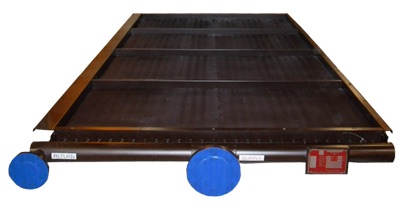 Heat Transfer Equipment
 Castings & Forgings
 Bulk Material Handling
 Electrical & Electronic Components
 Flow Instrumentation
 Hardware
 Material Handling Equipment
 Metal Cutting Services
 Metal Forming Services
 Metal Suppliers
 Motion Control Products
 Plant & Facility Equipment
 Plant & Facility Supplies
 Plastic Molding Processes
 Pumps & Valves
 Recycling Equipment
 Rubber Products & Services